
Repair catalog / Semiconductor recovery
The chip you can't buy may be on your rejected boards.
Component shortages and obsolete parts can stop a production line for months. We recover usable chips from rejected, surplus, and end-of-life boards, then clean, test, reball, and re-tin them so they go straight back into production.
What we do
From scrap board to placement-ready part.
- No. 01
Chip recovery from rejected & scrap boards
Controlled removal of ICs and BGA packages from rejected, surplus, or end-of-life boards — so scarce and obsolete parts get back into production.
- No. 02
Cleaning, inspection & testing
Recovered parts are cleaned of old solder and residue, inspected, and tested before they leave our bench.
- No. 03
BGA reballing
Fresh solder balls on recovered or stored BGA chips, so they place and reflow like new parts on your assembly line.
- No. 04
Leaded → lead-free alloy conversion
Reballing leaded BGA chips with lead-free solder, so older parts can go onto lead-free (RoHS) assembly lines and meet export requirements.
- No. 05
Re-tinning & re-alloying for long-stored parts
Components that have sat in storage for years can lose solderability. We strip and re-tin their terminations so they solder reliably again.
Built on decades of BGA, SMT, and micro-SMT rework at our Pune bench since 1989.
The parts we handle
From full processors to chips smaller than a fingernail.
Recovered at our bench
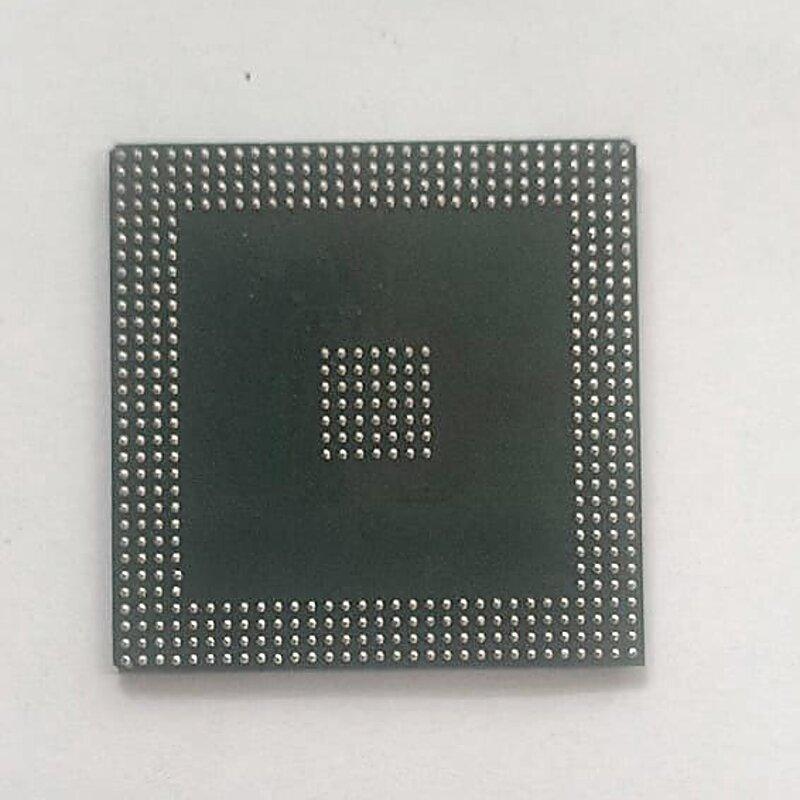
Real chips recovered from rejected boards in our Pune workshop — cleaned, inspected, and ready to reball.
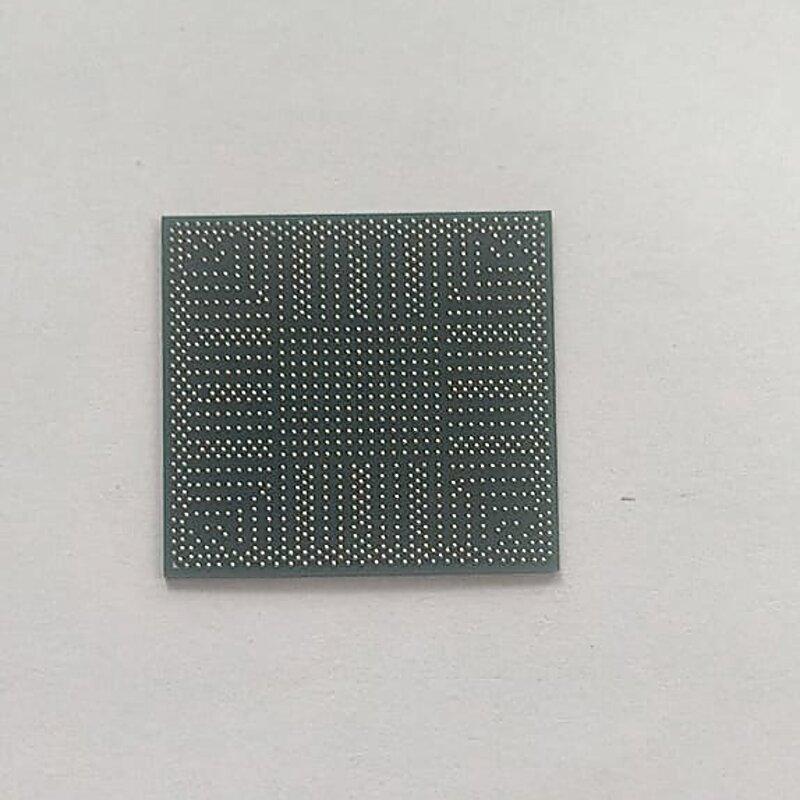
Processor-class BGA 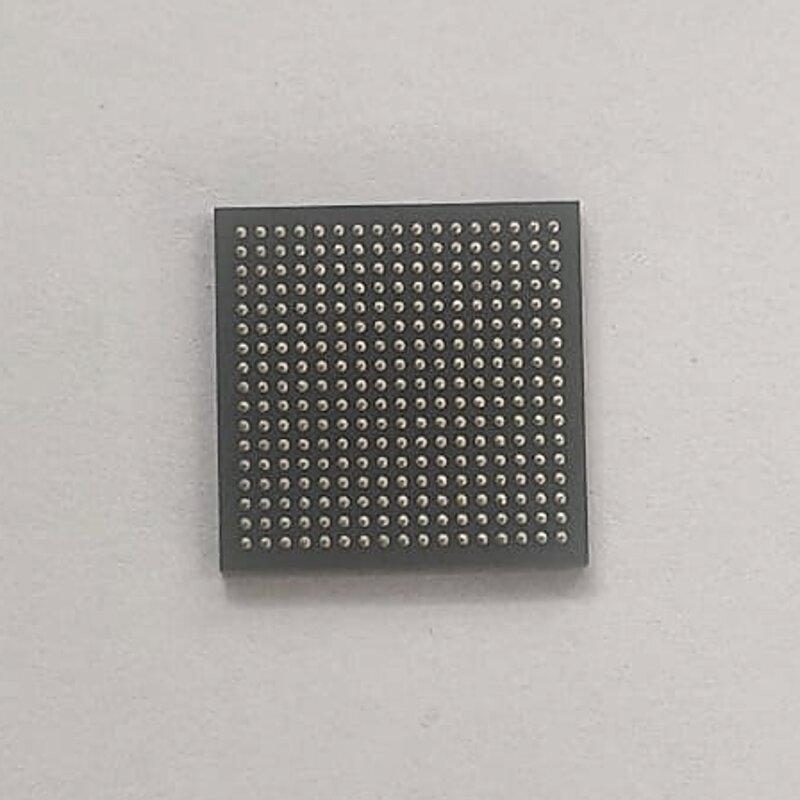
Full-array BGA 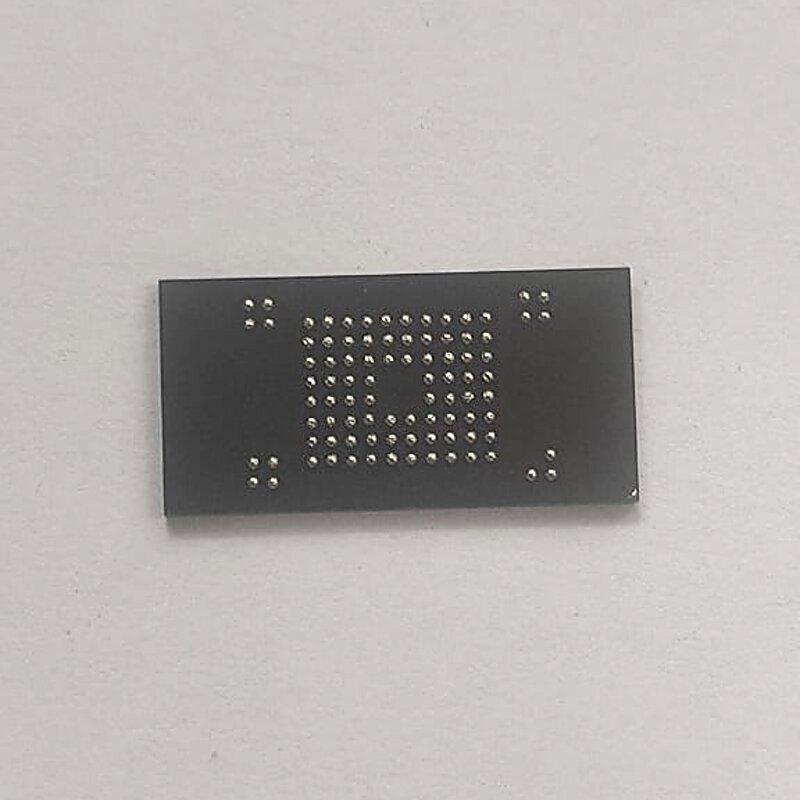
Memory BGA 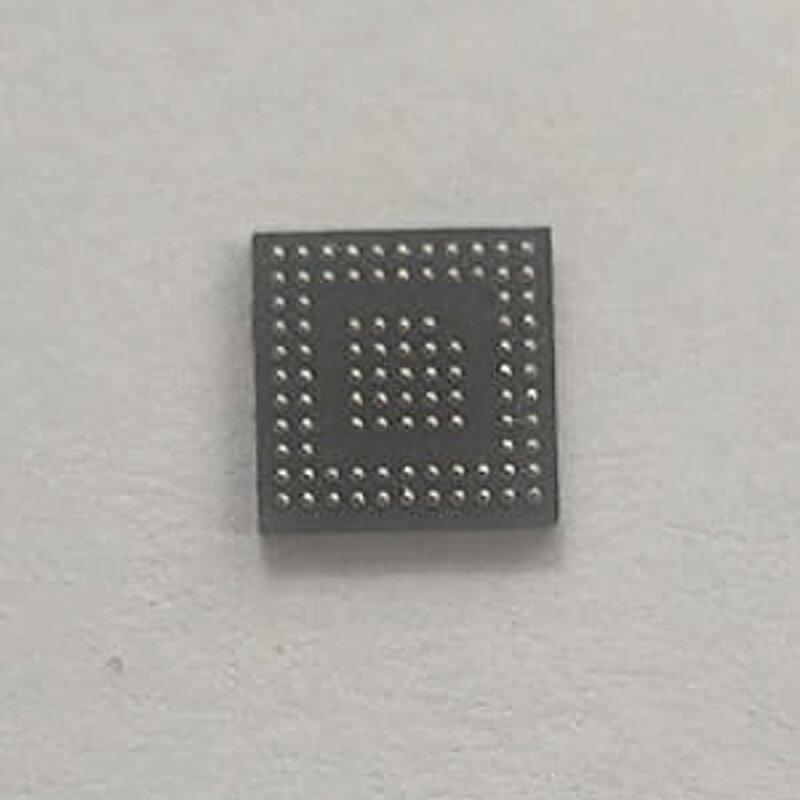
Small BGA controller 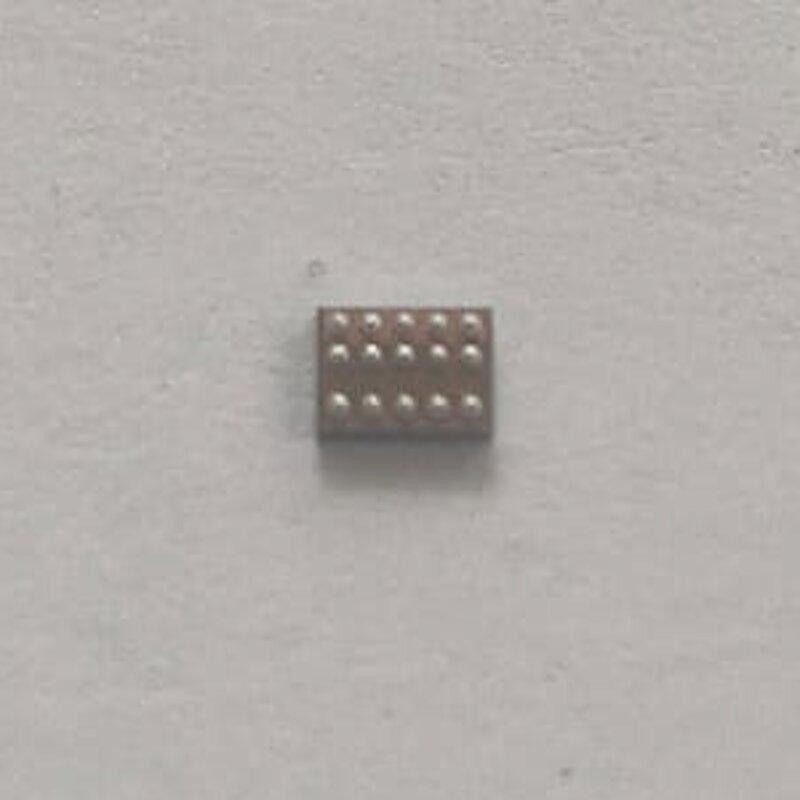
Wafer-level chip, a few mm across
BGA chips
Recovered, cleaned, and reballed — or converted from leaded to lead-free solder.
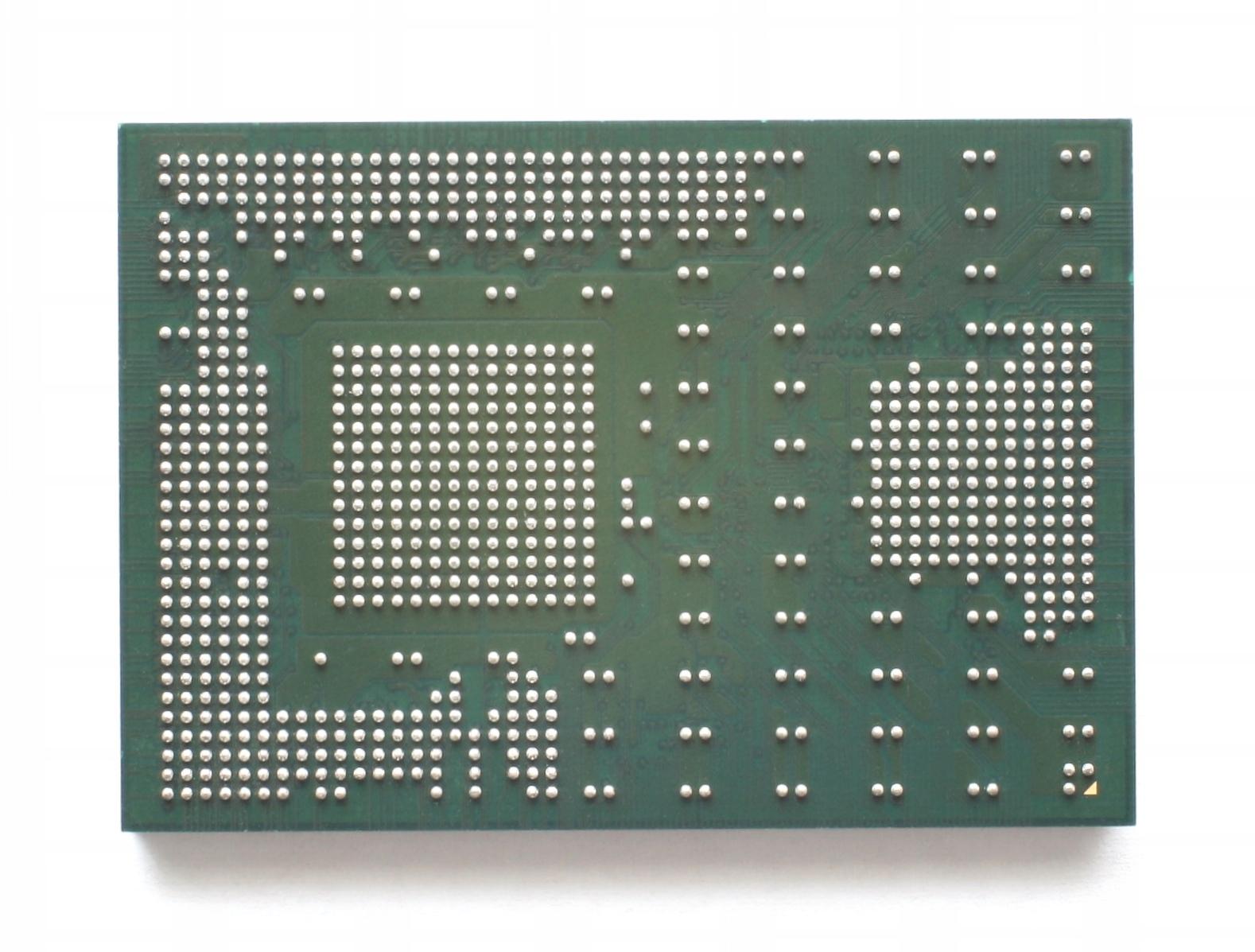
Processors — legacy VIA Luke CPU 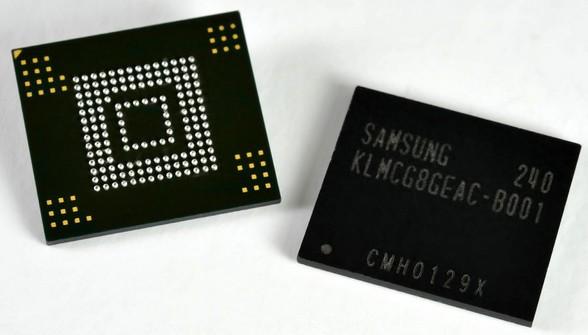
Memory — eMMC flash chips 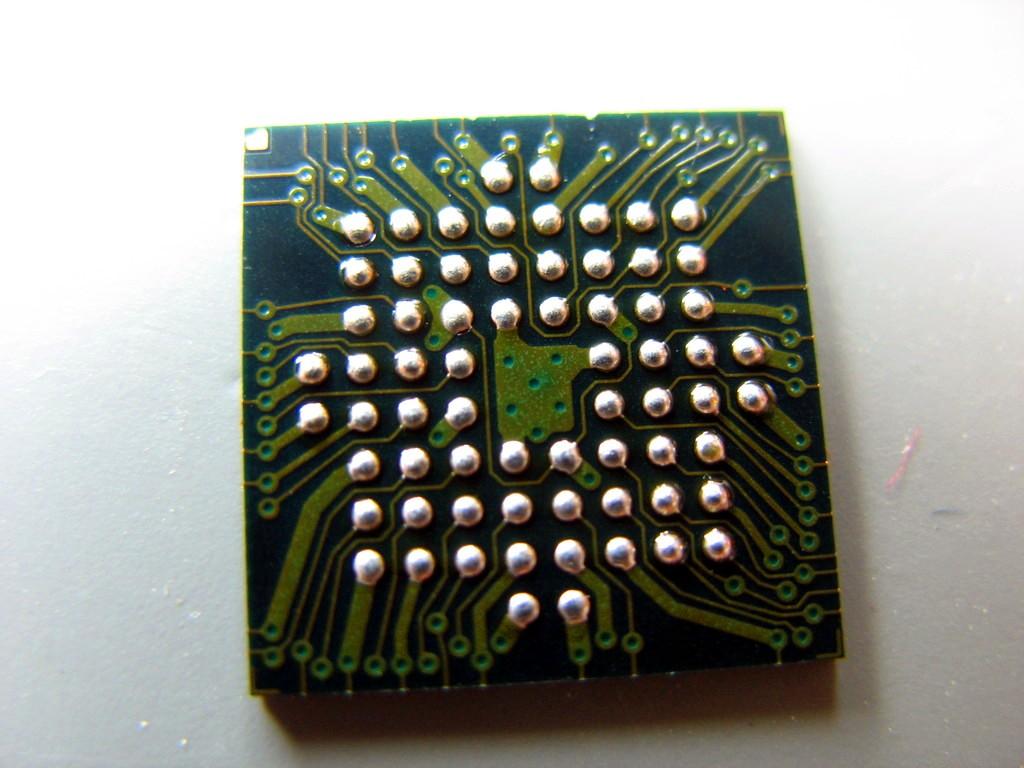
Controllers — small-pitch BGA 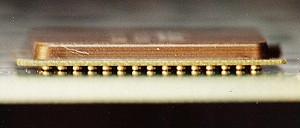
Solder joints — side view 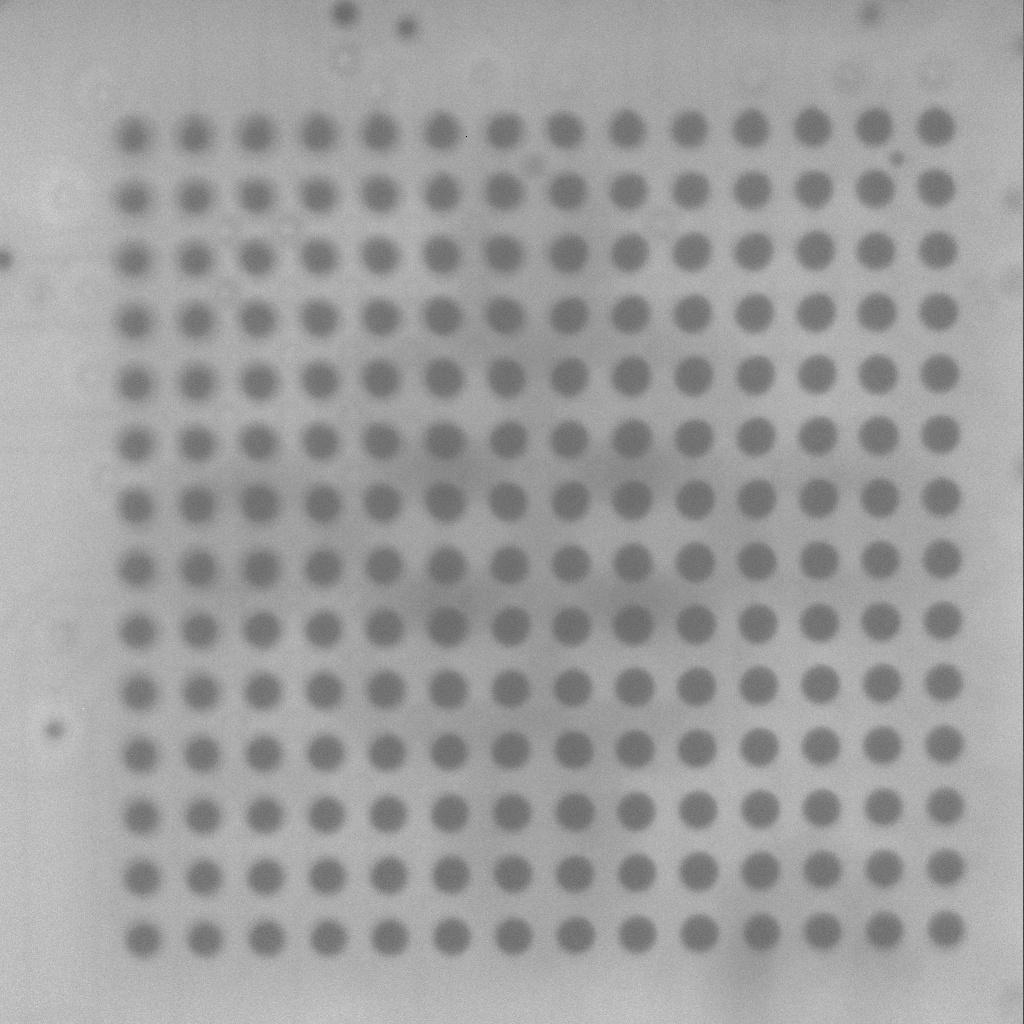
Inspection — X-ray of solder balls
Leaded & leadless packages
Recovered and re-tinned so their leads and pads solder like new parts.
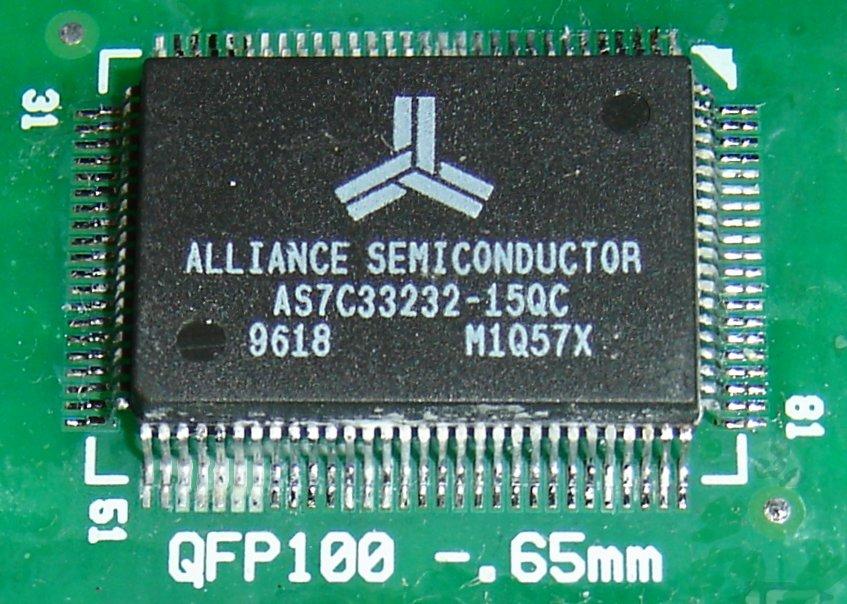
QFP — quad flat pack 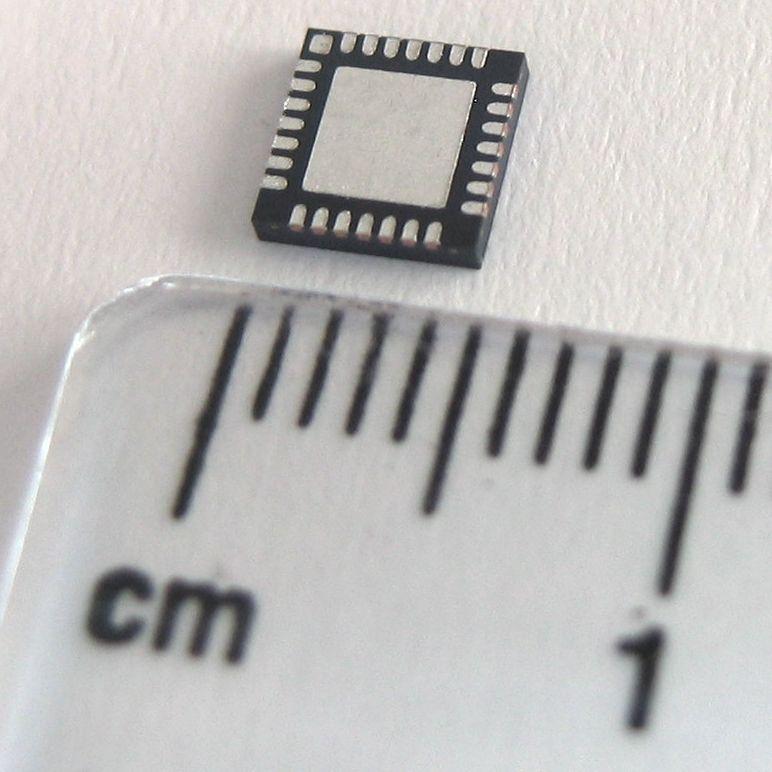
QFN — leadless, a few mm across 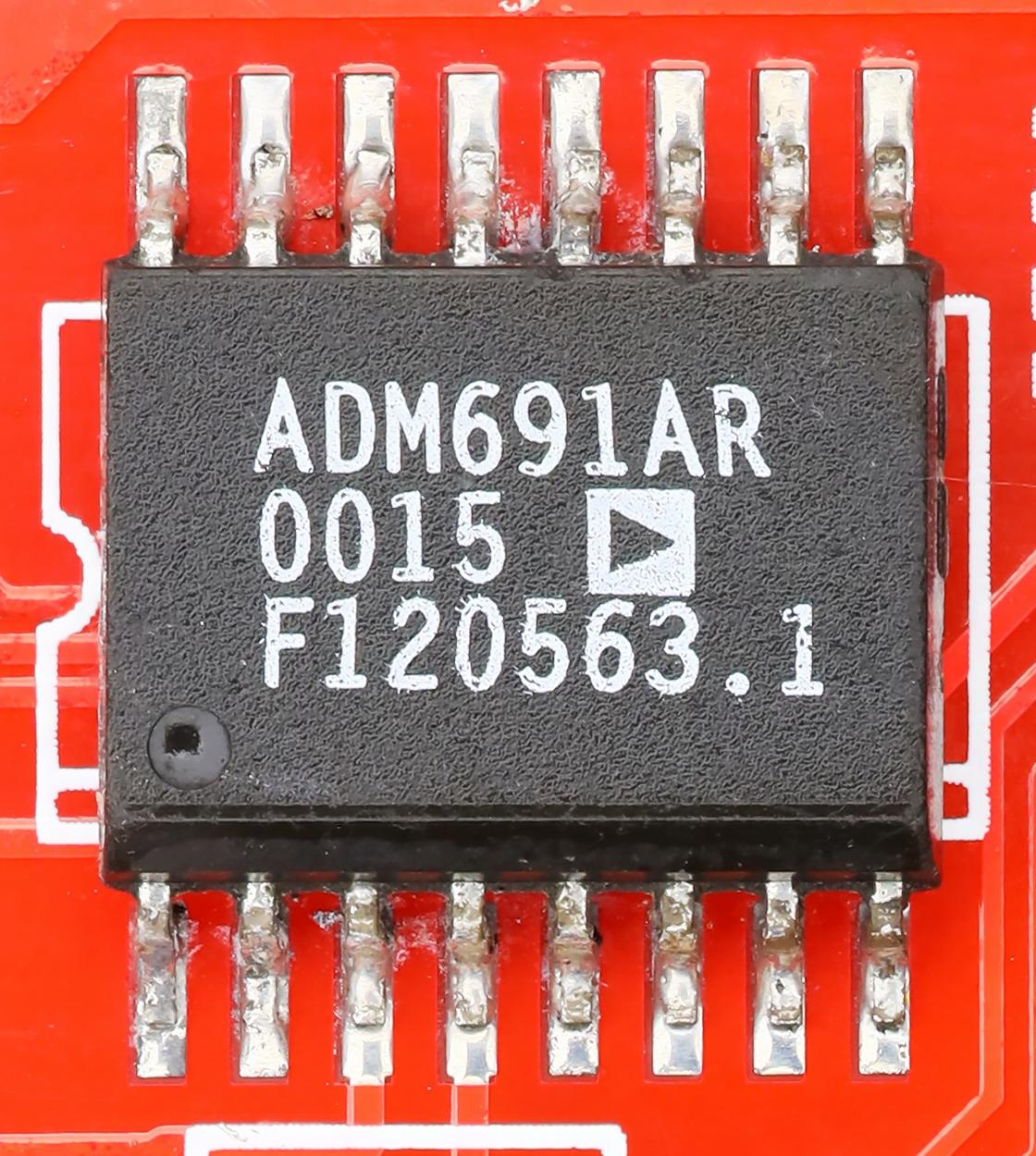
SOIC — small outline IC 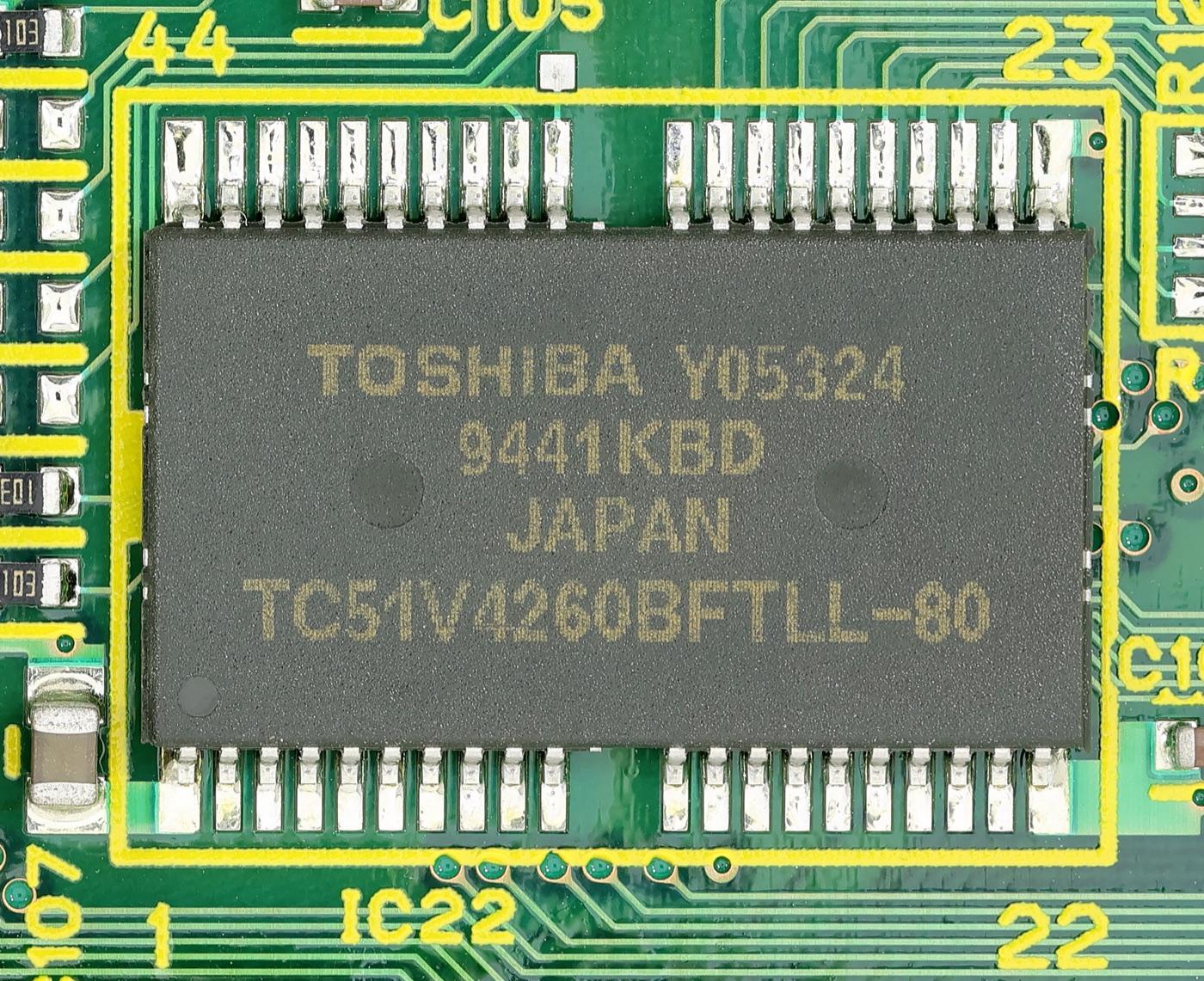
TSOP — thin memory packages 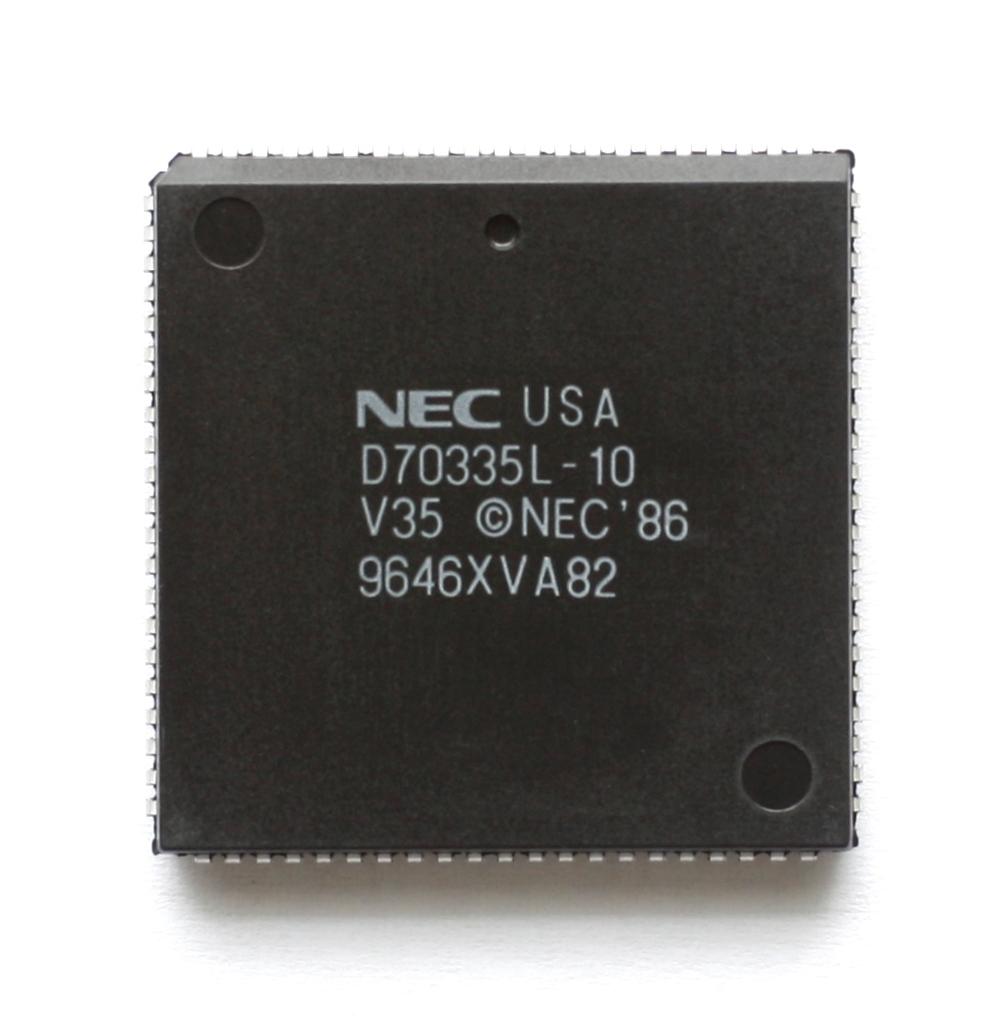
PLCC — legacy processors 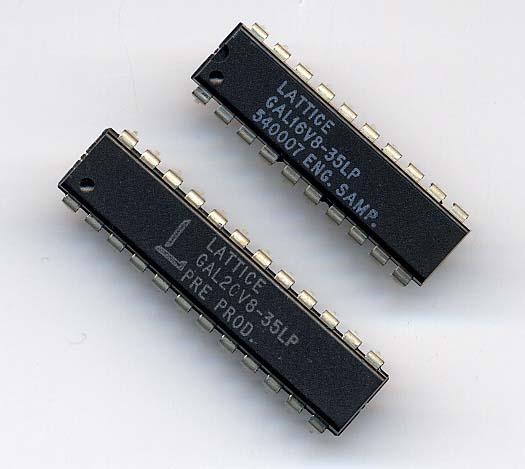
DIP — through-hole ICs 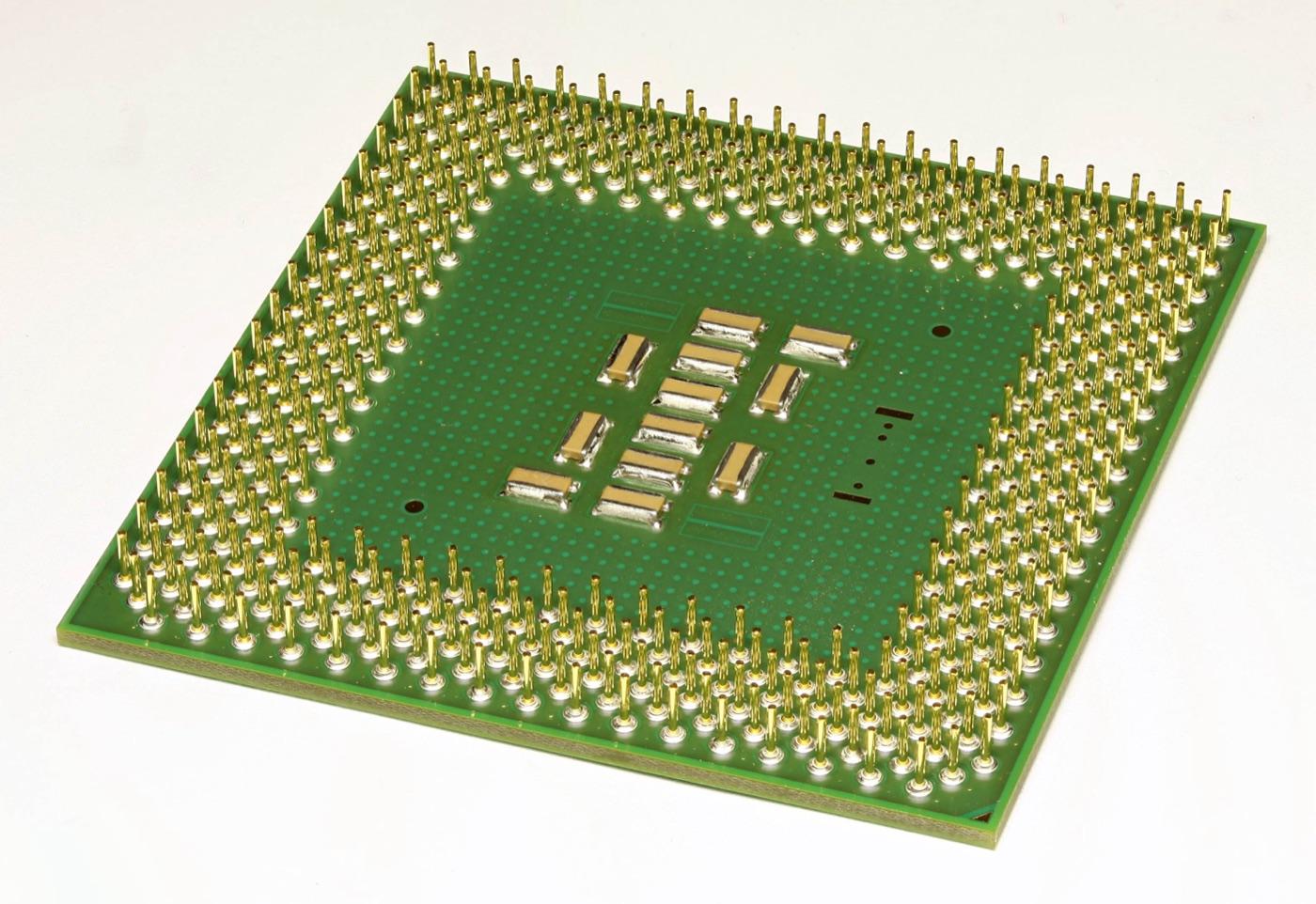
PGA — Intel Pentium III 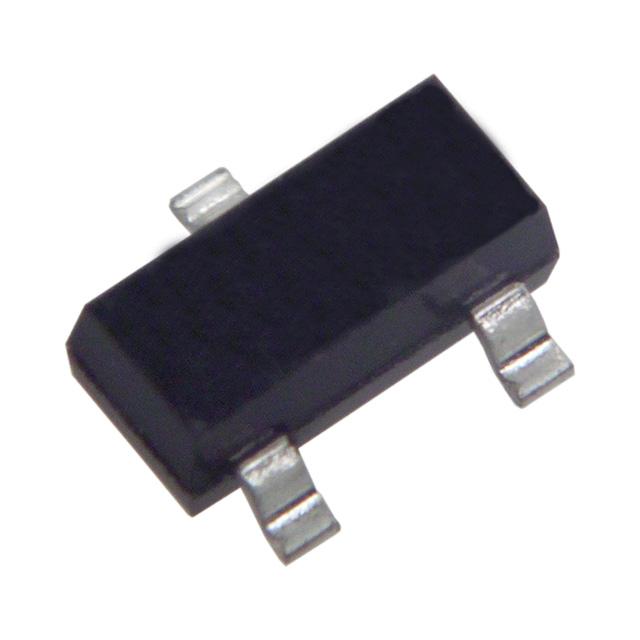
SOT — small discrete parts
Don't see your part? If it has solder balls, leads, or pads, ask us — chances are we've handled something like it.
Who it's for
When waiting for new stock isn't an option.
Contract manufacturers
Your line has stopped because one component is out of stock or discontinued. Your rejected boards may already carry the parts you need.
OEMs with legacy products
You still build or support products whose chips are no longer manufactured. Recovered parts keep those products going.
Anyone holding old stock
Chips stored for years can lose solderability. Re-tinning and reballing make that stock usable again instead of scrap.
How it works
Four steps from shortage to restart.
- Step 01
Tell us what's short
Share the part numbers holding up your production and the rejected or surplus boards that carry them.
- Step 02
Assessment
We examine the boards and tell you which parts can be recovered, and in what quantity, before any work starts.
- Step 03
Recovery & preparation
Chips are removed under controlled heat, cleaned, then reballed or re-tinned in the alloy your process needs.
- Step 04
Back to your line
Parts are inspected and tested, then returned packed and ready for placement on your assembly line.
Production on hold?
Call us with your part numbers. We'll tell you whether they can be recovered.
Mon–Sat · 9:00 am – 6:30 pm IST


